
Many Surface Problems Can Be Fixed Without Full Replacement
Common cabinet damage that refinishing can correct includes scratches, faded color, small chips, light water marks, grease buildup, worn edges, and old finishes that make cabinets look dull. In many cases, refinishing gives cabinets a cleaner, newer look without taking out the whole set. This makes it a smart option when the cabinet boxes and doors are still solid.
Quick Diagnosis Summary
Not every cabinet problem means you need brand-new cabinets. A lot of damage stays on the surface or in the finish layer. That is where cabinet repair and refinishing can help. If the wood is stable, the doors still line up, and the damage is not too deep, refinishing may correct the problem. This can improve the look of kitchens, bathrooms, laundry rooms, and other spaces with built-in storage.
Common Symptoms
Homeowners often notice signs of wear long before cabinets stop working. The first clue is usually visual. Cabinets may look old, patchy, or dirty even after cleaning. In other cases, the finish feels rough or sticky. These issues often point to damage that refinishing can address.
- Scratches from dishes, pets, or daily use
- Small dents and edge wear around doors and drawers
- Faded stain from sun exposure
- Yellowing clear coat on older cabinets
- Light water spots near sinks or dishwashers
- Grease film that has soaked into the old finish
- Minor chips in painted cabinet surfaces
- Uneven color from old touch-up work
These problems can make a whole room feel tired. Still, they do not always mean the cabinets need to be replaced. A close inspection helps show what is cosmetic and what is structural.

Likely Causes
Cabinets take daily abuse. Hands touch them all day. Steam rises during cooking. Water splashes near sinks. Sun can hit one wall for hours. Over time, the finish breaks down and the surface starts to show every bit of wear. Painted cabinets may chip on corners. Stained wood may fade or dry out. Grease and cleaners can also strip the top layer little by little.
Another common cause is age. Older finishes often become brittle. Once that happens, they crack, peel, or turn cloudy. In busy homes, this wear shows up faster around handles, lower drawers, and doors near trash pull-outs. cabinet repair may also be needed when loose hardware or rubbing doors start causing fresh damage to the finish.
What to Check First
Before choosing refinishing, it helps to check if the cabinets are good candidates. Surface flaws are one thing, but deep swelling or broken parts can call for more work. A basic inspection can save time and money.
- Look for water swelling under the sink area
- Check if doors open and close right
- Press on damaged spots to see if the wood feels soft
- Inspect corners for deep splits or missing material
- See if the finish damage is only on the outside layer
- Check drawers for worn slides or loose joints
If the cabinet frame feels strong and level, refinishing is often still on the table. If the wood is soft, badly warped, or falling apart, more than a surface fix may be needed.
Safe Fixes Vs Pro-Level Fixes
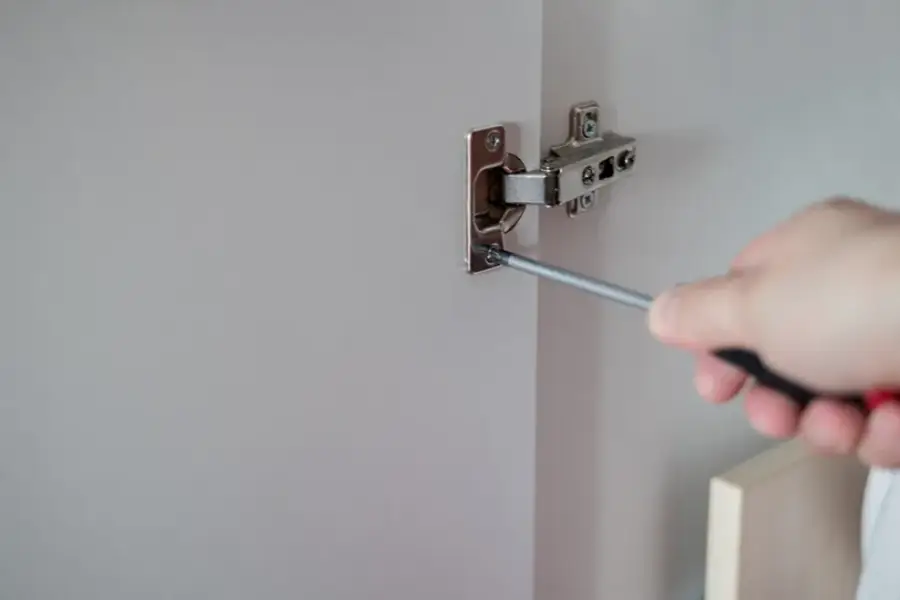
Some small issues are simple enough for basic touch-up work. Cleaning heavy grime, adding a wax stick to tiny scratches, or tightening loose hinges can help cabinets look and work better. Light cabinet repair tasks like these may buy more time before full refinishing.
Professional work is usually better for larger finish problems. Matching stain color, sanding evenly, fixing chipped paint, and applying a smooth new coating takes skill and the right tools. Pros can also spot hidden trouble, like old moisture damage under the finish. That matters because a cabinet can look fine at first and still have weak areas below the surface.
Refinishing can often correct:
- Surface scratches that do not cut deep into the wood
- Sun fading on exposed cabinet faces
- Peeling or worn clear coats
- Old stain that looks blotchy or orange
- Paint chips and scuffs on solid doors
- Minor water staining that has not swollen the wood
It usually cannot fully correct severe rot, heavy warping, major delamination, or cabinets that are poorly built from the start.
Prevention Tips
Once cabinets are refinished, a few habits help them stay in better shape. Wipe spills fast. Use a soft cloth for cleaning. Keep harsh scrubbers away from painted or stained surfaces. If steam builds up often, run a vent fan while cooking. Small felt pads can also reduce rubbing where doors or drawers touch nearby parts.
Try not to hang wet towels over cabinet doors. Watch sink cabinets for slow leaks. Sunlight can also fade finishes over time, so shades or curtains may help in bright rooms. Good care will not stop all wear, but it can slow down the damage and help the new finish last longer.
Final Recommendation
If your cabinets are solid but the finish looks worn, refinishing may be the right answer. It can correct many common surface problems and give the room a fresh look without a full tear-out. For homeowners in Riverdale, UT, it helps to get a careful inspection before deciding what comes next. At For Your Rooms Only, we can check the damage, explain if cabinet repair or refinishing makes sense, and help you plan the next step. Call us at (801) 710-9681 to get started.